

Chapter 7
A New Conversation About Family Mobility
Why Every Family Deserves to Know All Their Options
If you're expecting a baby, one of the first major purchases you'll make is choosing a stroller. For generations, that's been the natural starting point for parents around the world. Families compare brands, prices, colours and features, searching for the stroller that best suits their lifestyle. But what if the first question shouldn't simply be: "Which stroller should we buy?" What if the better question is: "What are all the mobility options available to our family?" We believe that's a conversation worth having. Not because traditional strollers are no longer relevant. Not because stroller wagons are the right choice for every family. But because every parent deserves to make one of the biggest decisions of early parenthood with a complete understanding of the options available. If more parents knew about stroller wagons from the very beginning, they could compare every solution side by side and choose the one that truly fits the way their family lives—not simply the one they hear about first.
Family Life Has Changed
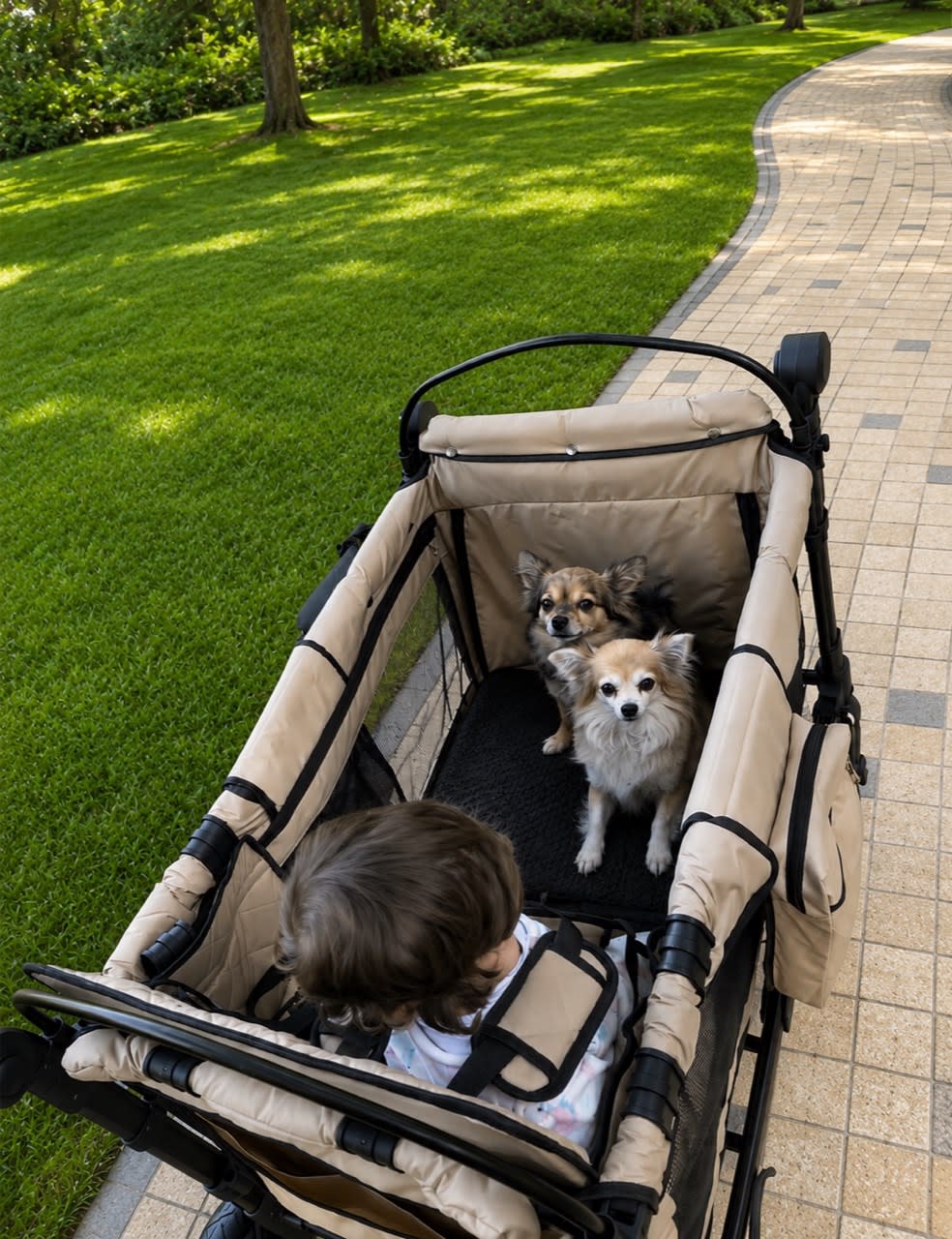
Family life today looks very different from what it did twenty or thirty years ago. Yet for many parents, the conversation around family mobility hasn't changed nearly as much. Parents travel more than ever before. Children spend longer days outdoors. Weekend adventures often replace afternoons close to home. Many families are raising two, three or even four children. Grandparents are more involved in everyday childcare. Blended families are increasingly common. And for many households, dogs have become an important part of family life too. Parents are also carrying more than ever before. Changing bags. Lunch boxes. Sports equipment. Beach gear. Shopping. Travel essentials. The way families live has evolved. The way families move has evolved. It's only natural that family mobility evolves alongside it.
Traditional Strollers Still Matter
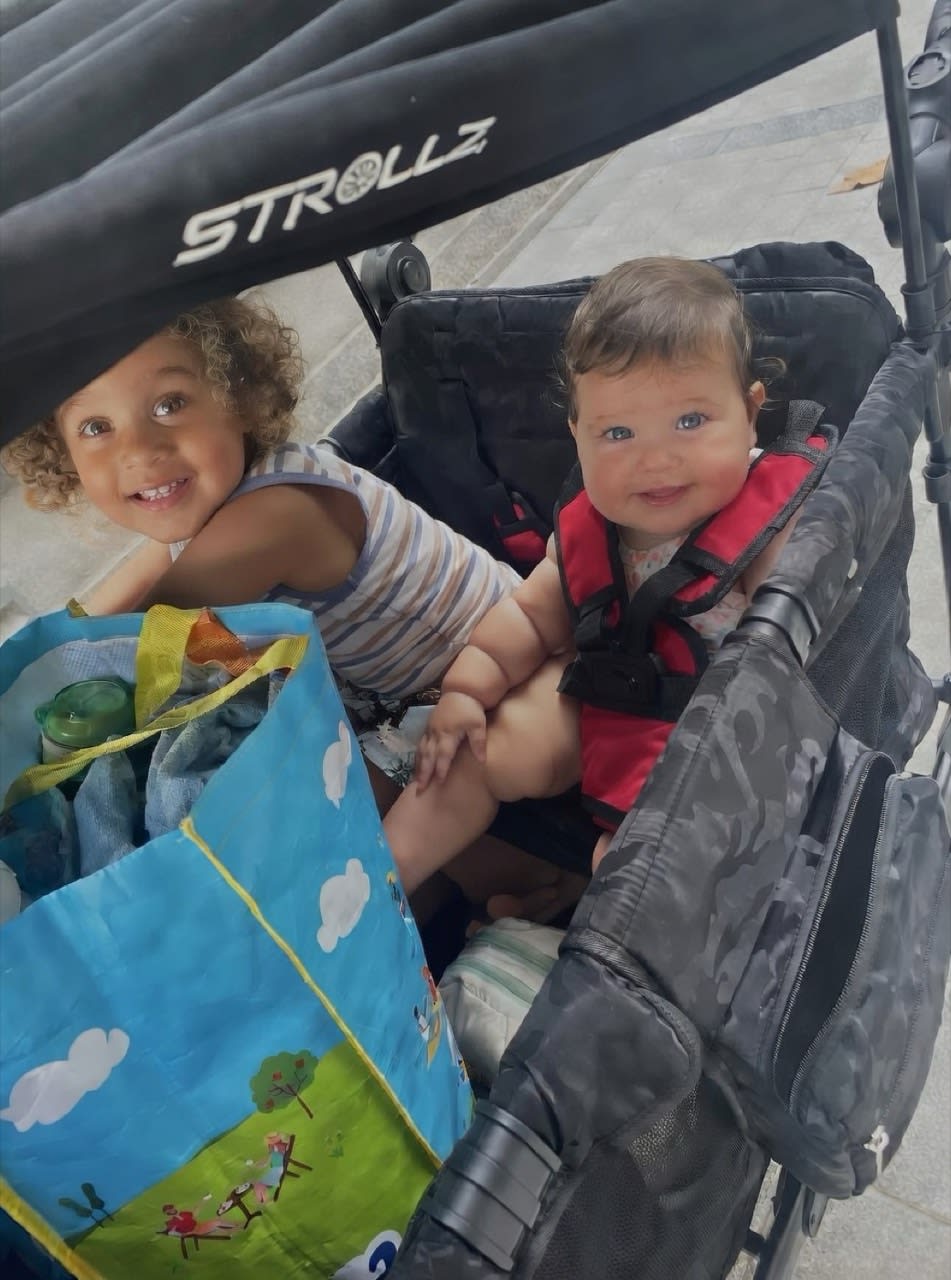
Throughout this guide, we've intentionally taken a balanced approach. That's because we genuinely believe traditional strollers continue to play an important role for many families. They've supported parents for generations and remain an excellent choice, particularly during the newborn stage and the early years. This has never been about proving that one product is better than another. Different families have different needs. Different lifestyles require different solutions. The goal has never been to replace the traditional stroller. The goal is to broaden the conversation.
Why More Choice Benefits Every Family
One of the most interesting things we've observed is that many parents only discover stroller wagons long after they've purchased their first stroller. Often it's when another child arrives. When family outings become longer. When travel becomes more frequent. When storage suddenly becomes a daily challenge. Or simply when life looks different from the day they first became parents. By then, they're no longer comparing two options. They're replacing one. We simply believe that comparison deserves to happen much earlier. Not because every family should choose a stroller wagon. But because every family deserves the opportunity to consider one alongside a traditional stroller. More knowledge creates better decisions. Better decisions create greater confidence. And confident parents create better family experiences.
A Better Way to Think About Family Mobility
Think about buying a family car. Some families choose a compact car. Others choose an SUV. Neither is automatically better. Each simply supports a different lifestyle. Family mobility deserves the same perspective. Traditional strollers and stroller wagons aren't competitors. They're different solutions designed for different families, different routines and different ways of living. Sometimes a traditional stroller is exactly the right answer. Sometimes a stroller wagon is. What's important is that parents know both options exist before making their decision.
Looking Ahead
Our hope is simple. We hope future parents begin their journey with a broader perspective. Instead of asking, "Which stroller should we buy?" Perhaps they'll begin asking, "Which mobility solution best suits the way our family lives?" For some families, the answer will be a traditional stroller. For others, it may be a stroller wagon. Neither answer is more important than the other. What matters is that every family knows they have a choice. Because family life has changed. And we believe the conversation around family mobility should change with it. If this guide encourages parents to explore every option before making one of the biggest purchases of early parenthood, then we've achieved exactly what we hoped. Not by changing what families choose. But by helping them choose with confidence. Because every family deserves to begin their journey knowing all of their options.
Key Takeaways
•Traditional strollers and stroller wagons both have an important place in modern family life. •The best choice depends on your family's lifestyle, routines and future needs. •Many parents only discover stroller wagons after buying their first stroller—but they deserve to know about them from the beginning. •As family life evolves, it's only natural that family mobility evolves too. •The goal isn't to replace traditional strollers—it's to help parents make informed decisions with confidence.
Continue Reading
Now that you've explored how family mobility is evolving, discover how a stroller wagon fits into everyday life. Continue to Chapter 8: Life with a Stroller Wagon: Real Everyday Moments You'll discover how families use stroller wagons for school runs, travel, parks, shopping, beach days, pets and everything in between.
Final Thought
This guide has never been about proving that one product is better than another. It's about making sure every parent begins one of the biggest journeys of their life knowing all of the options available to them. Because when parents have the right information, they make better decisions. And when they make better decisions, family life becomes just a little easier. That's a conversation worth having. And one we hope continues for generations to come.