

Chapter 2
Traditional Stroller vs. Stroller Wagon: What's the Difference?
Understanding Which Option Is Right for Your Family
For decades, the traditional stroller has been an essential part of family life. It has helped millions of parents navigate everything from newborn walks and afternoon naps to shopping trips and everyday errands.
For many families, a traditional stroller remains an excellent choice, especially during the newborn stage and shorter outings.
However, family life has changed.
Today's parents spend longer days outdoors, travel more frequently, and often juggle the needs of multiple children at different ages. Weekend adventures have replaced quick neighbourhood walks, holidays involve airports and sightseeing, and everyday outings require far more than simply transporting a child from one place to another.
As family life evolves, the products we rely on every day need to evolve with it.
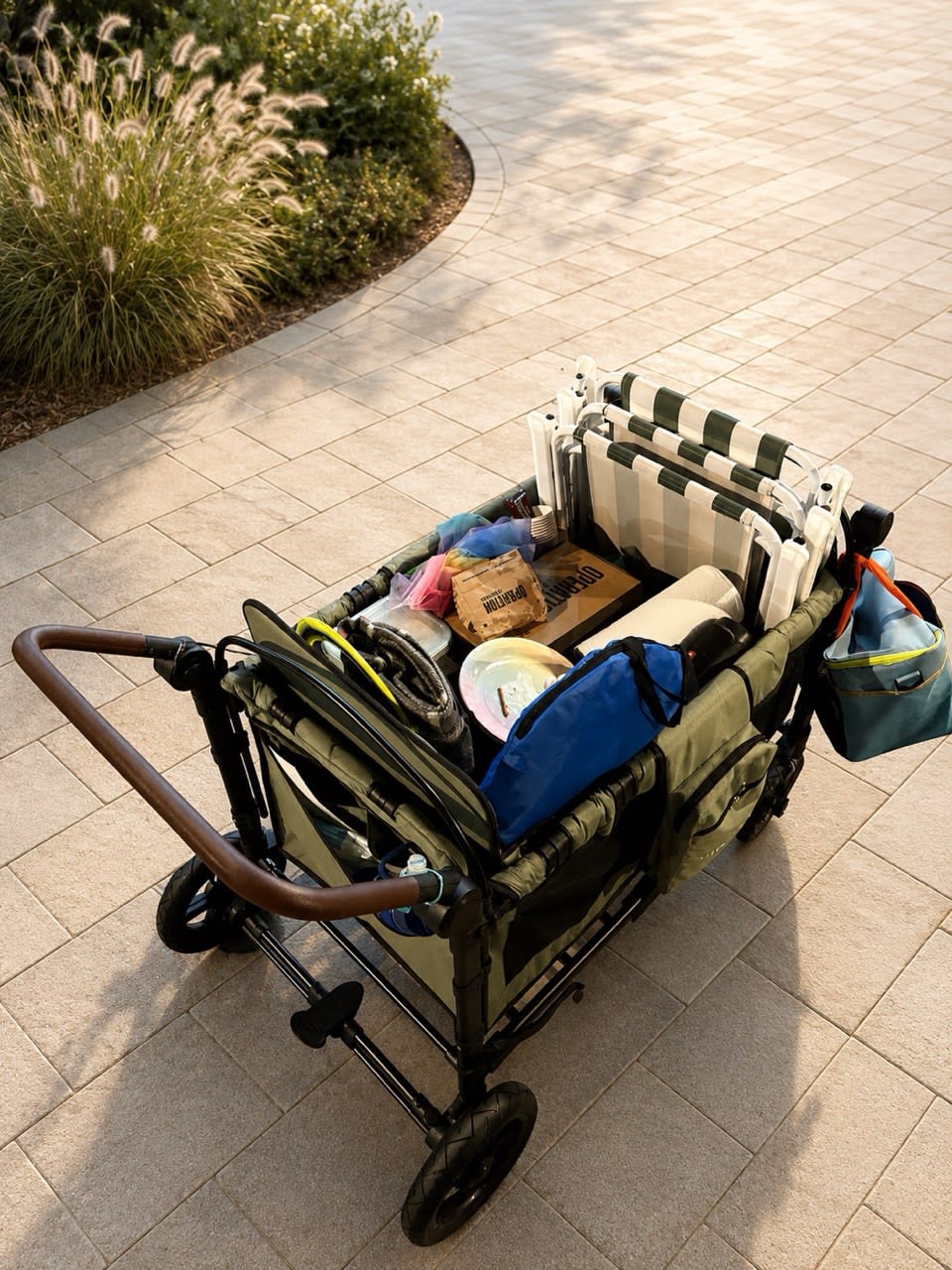
One of the biggest challenges parents face isn't simply transporting a child - it's managing everything that comes with family life. A changing bag, snacks, water bottles, spare clothes, toys, scooters, balance bikes, shopping bags, beach gear and the occasional tired toddler all compete for space. What starts as a quick trip can quickly become a juggling act.
This is especially true for families with two or more children.
Many parents discover that while a traditional stroller works beautifully during the early years, everyday life becomes more complicated as children grow. One child may happily walk for twenty minutes before suddenly becoming tired. A younger sibling still needs a comfortable place to sit or nap. Before long, one parent is carrying a child while the other pushes the stroller - with shopping bags hanging from every available handle.
This doesn't mean traditional strollers are no longer good products.
Far from it.
Traditional strollers continue to be an excellent solution for newborns, younger babies and shorter everyday outings.
The difference is that many modern families now need more flexibility than a traditional stroller was originally designed to provide.
That's where stroller wagons have changed the conversation.
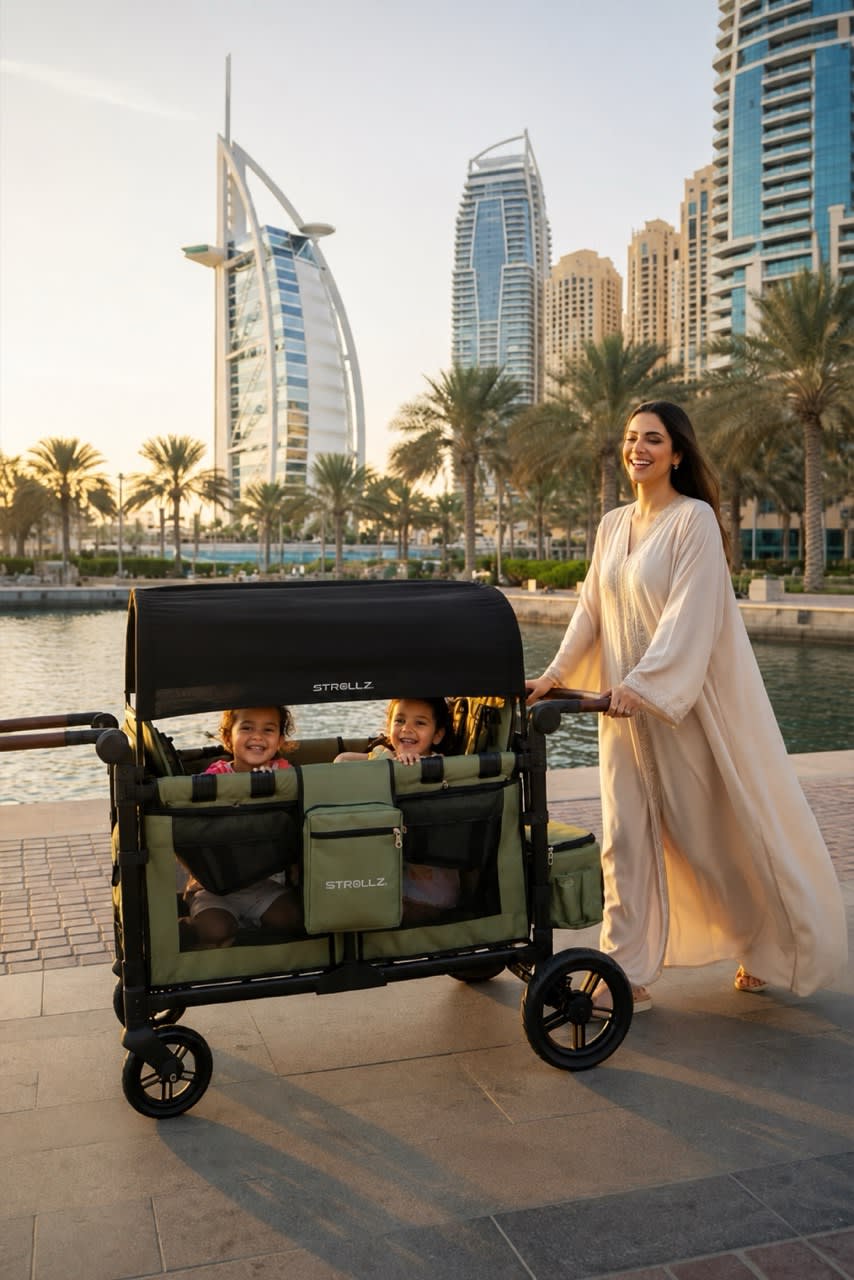
Rather than focusing solely on transporting one seated child, stroller wagons are designed around the reality of modern family life. They offer adaptable seating, generous storage and the flexibility for children to move naturally between walking, riding and resting throughout the day.
For growing families, longer outings and everyday adventures, that flexibility can make a remarkable difference.
So, which option is better?
The answer is neither.
The better question is:
Which option is better for your family's lifestyle?
For some families, a traditional stroller will be exactly the right choice.
For others -particularly those with active toddlers, siblings or longer days outdoors - a stroller wagon may offer the flexibility, comfort and practicality they're looking for.
The goal isn't to replace one product with another.
The goal is to choose the family mobility solution that best supports the way your family lives.
Key Takeaways
- Traditional strollers remain an excellent choice for newborns and shorter everyday outings.
- As children grow, many families begin looking for greater flexibility, storage and adaptability.
- Stroller wagons are designed to support the changing rhythm of modern family life.
- The best choice isn't about which product is better—it's about which one best fits your family's lifestyle.